


What Affects the Cost of a Roof Replacement?
12 Factors That Determine Your Price
Learn what goes into a complete roof replacement, including materials, installation, flashing, ventilation, warranties, and what to expect throughout the process.
If you’re planning a roof replacement, one of the first questions you’re likely to ask is: How much is a new roof going to cost?
The answer depends on much more than the square footage of your home.
Roof replacement pricing is based on the actual roof surface, roof pitch, complexity, roofing material, labor requirements, existing conditions, flashing, ventilation, accessibility, and several other factors. This is why two homes of similar size can receive very different roof replacement estimates.
Understanding these variables can help you evaluate roofing estimates, establish a realistic budget, and better understand what you’re actually paying for.
Not every roofing problem requires a complete replacement. If you’re unsure which option makes sense, learn whether you should repair or replace your roof.
At Northland Roofing LLC, we believe homeowners should have access to useful pricing information before they are required to schedule an appointment. Our online AI Roof Estimate Tool provides a personalized starting price for homeowners who want to understand what their roof replacement may cost.
But whether you’re using an online roof estimate or comparing proposals from roofing contractors, it helps to understand what actually determines the price of a roof replacement.
Here are 12 of the biggest factors.
1. Roof Size
Roof size is one of the largest factors affecting roof replacement cost.
Roofing contractors typically measure roofs in squares, with one roofing square equal to 100 square feet of roof surface.
It’s important to understand that the square footage of your home and the square footage of your roof are not necessarily the same.
A 2,000-square-foot house does not automatically have a 2,000-square-foot roof. Roof pitch, overhangs, attached garages, porches, additions, and the overall design of the home can all increase the actual roofing surface.
As the roof becomes larger, the project generally requires more:
- Roofing material
- Underlayment
- Ice and water protection
- Flashing and accessories
- Labor
- Disposal capacity
- Installation time
For example, replacing a 15-square roof generally requires significantly fewer materials and labor hours than replacing a 40-square roof.
Because roof dimensions can often be determined through aerial measurement technology, roof size is also one of the primary pieces of information used when generating an online roof estimate.
2. Roof Pitch
Roof pitch describes how steep a roof is, and it can have a significant impact on labor costs.
Not all roofing square footage requires the same amount of work.
A relatively low-pitch roof may allow installers to move around the roof more efficiently. A steep roof requires additional precautions and can significantly slow the installation process.
Steeper roofs may require:
- Additional fall protection
- Harness systems
- Roof jacks
- Specialized staging
- More difficult material handling
- Additional setup time
- Slower installation
This means two roofs with identical square footage can have different replacement costs simply because one is considerably steeper than the other.
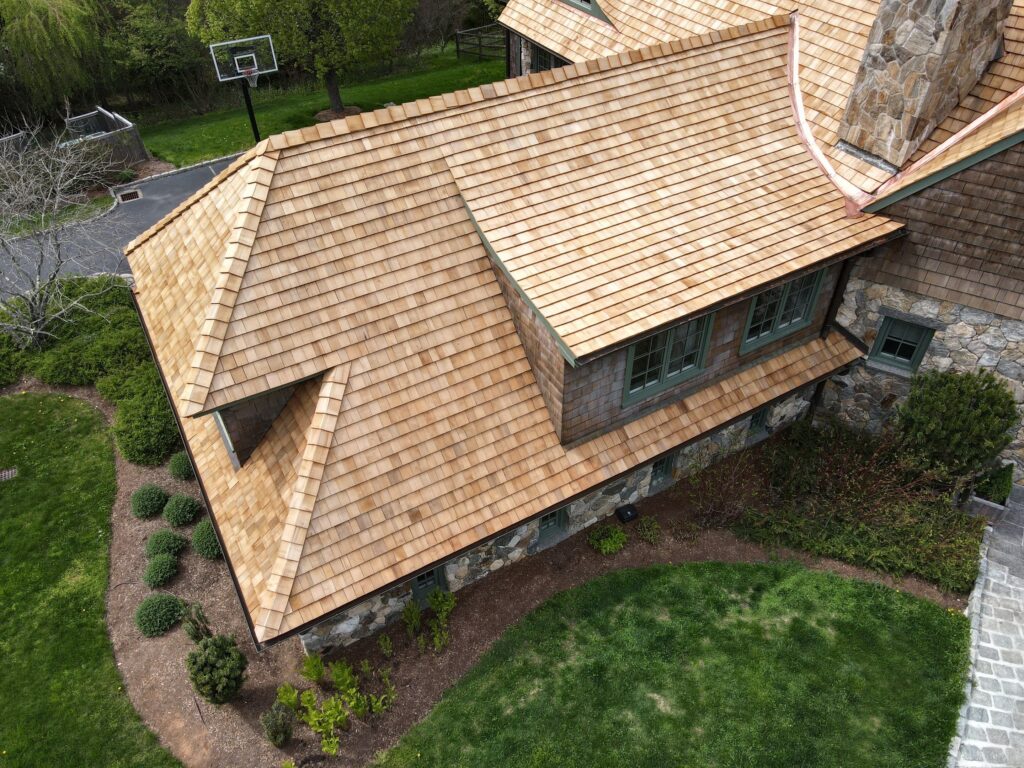
See what a roof replacement may cost for your home. Use our online AI Roof Estimate Tool to get personalized pricing guidance before scheduling an in-person inspection.
3. Roof Complexity
The shape and design of the roof also affect pricing.
Consider the difference between a simple ranch with two large roof planes and a custom home with dormers, valleys, intersecting rooflines, several elevations, skylights, and multiple chimneys.
Even if both roofs contain similar square footage, they are very different roofing projects.
Features that can increase roof complexity include:
- Multiple valleys
- Dormers
- Hips
- Skylights
- Chimneys
- Roof transitions
- Multiple elevations
- Covered porches
- Turrets
- Intersecting rooflines
Complex roofs require additional measurements, cuts, flashing details, material handling, and installation time.
They may also produce more material waste because shingles and other roofing components need to be cut around architectural features.
For this reason, roof complexity can have a significant impact on both material and labor costs.
4. Roofing Material
The roofing system you choose is another major factor in the final project price.
Different roofing materials vary significantly in both material cost and installation requirements.
Architectural Asphalt Shingles
Architectural asphalt shingles are one of the most common choices for residential roof replacements.
They provide a balance of durability, appearance, availability, and overall value, making them a popular option for homeowners.
However, even within the architectural shingle category, pricing can vary depending on the manufacturer, product line, color, warranty, and roofing system components selected.
Premium and Designer Shingles
Premium architectural and designer shingles are manufactured to provide enhanced appearance and may include heavier construction or additional performance features.
They generally cost more than standard architectural shingles.
Standing Seam Metal Roofing
Standing seam metal roofing offers excellent durability and a distinctive appearance.
The material itself is generally more expensive than asphalt shingles, and installation requires specialized tools, fabrication, and experience.
For these reasons, a standing seam metal roof can cost considerably more than a standard asphalt shingle replacement.
Cedar Roofing
Natural cedar provides a distinctive appearance but requires specialized materials and installation techniques.
Cedar roofing also has different maintenance considerations than a standard asphalt roofing system.
Slate Roofing
Natural slate is one of the longest-lasting roofing materials available, but it is also among the most labor-intensive and technically demanding roofing systems to install.
Slate projects may require specialized installers, additional structural considerations, custom flashing work, and significantly more installation time.
The roofing material you select can therefore have a major impact on the overall project cost.
5. Existing Roof Layers
Before installing a new roofing system, the existing roofing material usually needs to be removed.
The amount of material being removed matters.
A home with one existing layer of asphalt shingles generally requires less demolition and disposal than a home with two or more existing roofing layers.
Additional layers mean:
- More tear-off labor
- More debris
- Additional disposal costs
- Longer demolition time
- More material handling
The number and type of existing roof layers may not always be obvious from aerial measurements alone, which is one reason an in-person roof inspection remains important before final project pricing is confirmed.
6. Roof Deck Condition
Beneath the roofing material is the roof deck, which is commonly constructed from plywood, OSB, or wood boards depending on the age and construction of the home.
The roof deck provides the structural surface to which the roofing system is installed.
If the decking is deteriorated, damaged, excessively spaced, or unable to properly hold roofing fasteners, sections may need to be repaired or replaced before the new roof can be installed.
Problems can result from:
- Long-term roof leaks
- Moisture damage
- Rot
- Previous installation problems
- Aging materials
- Inadequate ventilation
- Structural issues
Decking is particularly important when discussing preliminary roof pricing because much of it is hidden until the existing roof has been removed.
A roof can appear relatively normal from the exterior while damaged plywood exists beneath the shingles.
For that reason, responsible roofing estimates should explain how unexpected decking replacement will be handled if damaged material is discovered during the project.
7. Flashing Requirements
Flashing protects some of the most vulnerable areas of a roofing system.
It is installed where the roof intersects with walls, chimneys, skylights, valleys, and other penetrations to help direct water away from areas where leaks are more likely to develop.
Common flashing locations include:
- Chimneys
- Sidewalls
- Front walls
- Roof-to-wall transitions
- Valleys
- Skylights
- Plumbing penetrations
A simple roof with few penetrations may require relatively straightforward flashing work.
A complicated home with several chimneys, dormers, walls, and roof transitions may require substantially more.
Existing flashing condition also matters. A roof replacement is intended to provide a new, dependable roofing system, so flashing details need to be evaluated as part of the overall project rather than simply covering the roof with new shingles.
Homes with extensive flashing requirements generally require additional material, installation time, and skilled labor.
8. Roof and Attic Ventilation
A complete roofing system includes more than the material you can see from outside.
Proper attic ventilation can play an important role in the long-term performance of the roof.
During a roof replacement, the existing ventilation system should be evaluated to determine whether there is an appropriate balance between intake and exhaust ventilation.
Depending on the home, recommended work may involve:
- Ridge vents
- Soffit ventilation
- Intake ventilation
- Roof vents
- Ventilation balancing
If ventilation improvements are required as part of the roof replacement, those components can affect the final project scope and price.
9. Chimneys, Skylights, and Roof Penetrations
Anything that passes through or intersects with the roofing system requires additional attention during installation.
Common examples include:
- Chimneys
- Skylights
- Plumbing vent pipes
- Exhaust vents
- Roof fans
- Solar equipment
- Other roof-mounted components
Each penetration needs to be properly integrated with the surrounding roofing system.
A home with no chimney and only a few basic plumbing vents will generally require less detailed work than a home with multiple chimneys, several skylights, and numerous roof penetrations.
Skylights may also need new flashing kits or replacement depending on their age, condition, manufacturer requirements, and the scope of the project.
These details can all affect roof replacement pricing.
10. Property and Roof Accessibility
Contractors also have to consider how materials, equipment, and debris will move around the property.
A straightforward home with an accessible driveway and open areas around the house is different from a home located on a steep hillside or surrounded by extensive landscaping, retaining walls, fencing, pools, patios, or other obstacles.
Accessibility can affect:
- Material delivery
- Dumpster placement
- Debris removal
- Equipment placement
- Crew movement
- Property protection
- Installation efficiency
Difficult access does not necessarily mean a roof replacement will be dramatically more expensive, but it can affect the labor and logistics required to complete the project safely and efficiently.
11. Local Building Requirements and Permits
Roof replacements must comply with applicable building requirements as well as the installation specifications for the selected roofing system.
Depending on the property and location, requirements may affect:
- Ice and water protection
- Underlayment
- Flashing
- Fasteners
- Ventilation
- Roof deck requirements
- Permit and inspection requirements
Local permitting costs may also be included separately or incorporated into the overall proposal depending on the contractor and municipality.
These requirements are one reason national roof-cost averages should be treated as general references rather than exact local pricing.
12. Geographic Location
Where your home is located matters.
Roof replacement prices can vary considerably across the United States because material costs, labor rates, transportation, permit requirements, weather conditions, and local construction standards are not identical everywhere.
Even within the same state, local market conditions can affect pricing.
For homeowners in Connecticut, a roof estimate based on actual regional conditions is generally more useful than a broad national average.
This is especially important when researching roofing prices online. A national article may provide a useful starting point, but it may not accurately reflect the cost of completing a roof replacement in your particular area.
Why Can Two Roofs the Same Size Cost Different Amounts?
This is one of the most important concepts to understand when comparing roof replacement pricing.
Roof size does not equal roof price.
Imagine two homes that both have 3,000 square feet of roofing surface.
The first is a relatively simple ranch with a moderate pitch, one existing layer of asphalt shingles, easy driveway access, and very few roof penetrations.
The second is a multi-story home with a steep roof, several dormers, multiple valleys, two chimneys, skylights, difficult access, and areas of damaged decking.
Although both roofs contain approximately the same amount of surface area, the labor, material requirements, safety considerations, flashing details, and overall scope of work are completely different.
That’s why pricing a roof solely by square footage can be misleading.
A useful roof estimate considers both how much roof exists and what is required to replace it correctly.
Why Online Roof Estimates Provide a Price Range Instead of One Exact Number
Homeowners sometimes wonder why an online roof estimate provides a range rather than guaranteeing one exact project price.
The reason is simple: a range is more realistic before the roof has been professionally inspected.
Many important cost factors can be measured remotely. Roof size, geometry, pitch, complexity, and other visible characteristics provide valuable information for estimating a project.
Other conditions cannot be confirmed until the property is inspected or, in some cases, until the existing roofing material is removed.
These may include:
- Damaged plywood or roof decking
- Hidden water damage
- Multiple existing roofing layers
- Flashing conditions
- Ventilation problems
- Structural concerns
- Previous repairs
- Other concealed conditions
Providing a realistic estimated range allows homeowners to begin budgeting without pretending that every condition of the roof is already known.
The final roofing proposal can then be confirmed after a professional evaluation of the property.
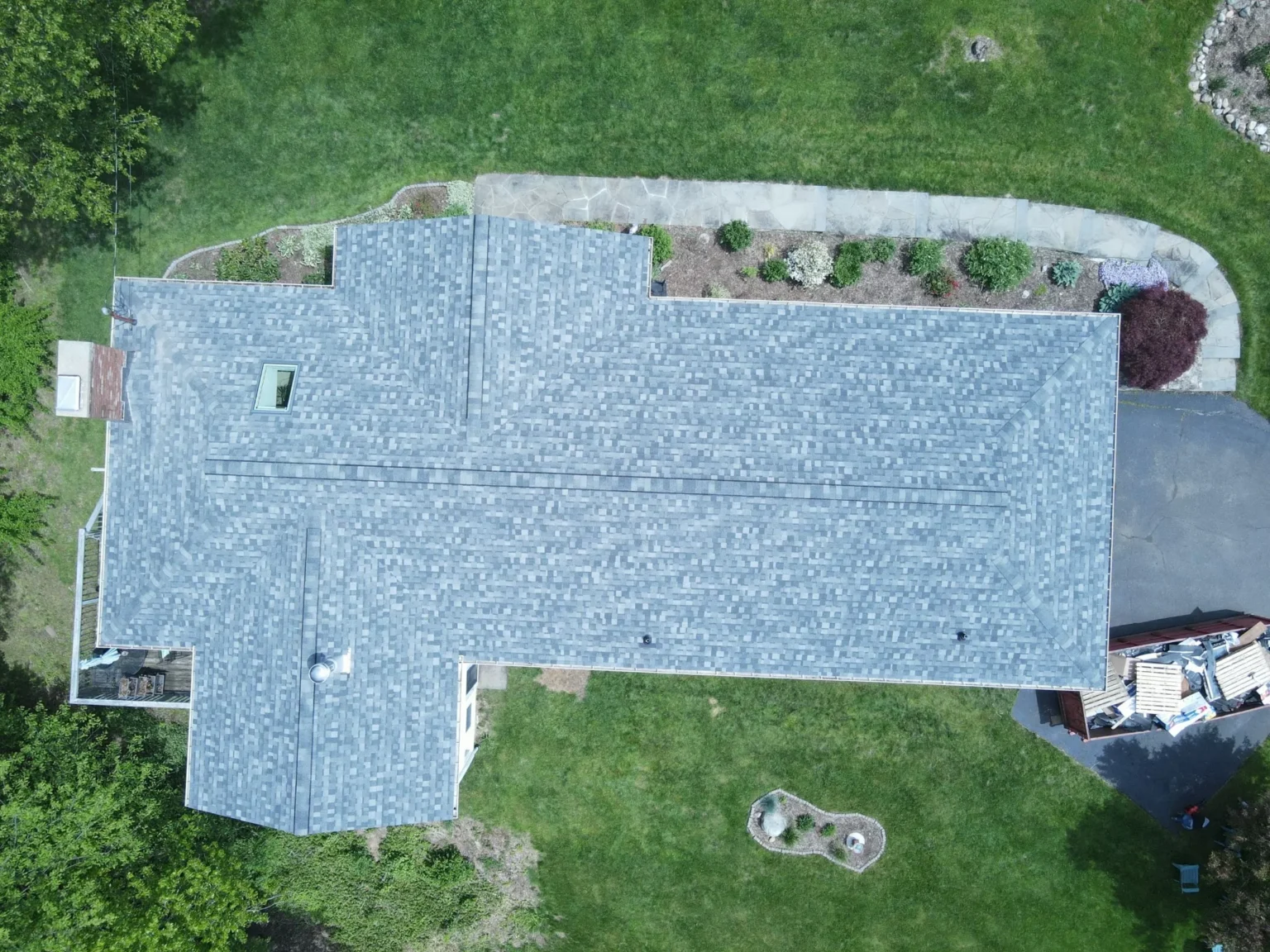
Learn how AI roof estimates calculate potential roof replacement costs, what information they can evaluate, and why a professional inspection is still important.
Can AI Help Estimate Roof Replacement Cost?
Yes. AI and modern roof measurement technology can help homeowners establish a preliminary roof replacement price by analyzing information that can be measured before an in-person inspection.
Roof dimensions, pitch, complexity, material requirements, waste factors, and regional pricing can all contribute to an estimated price.
However, an AI roof estimate should be used as a planning tool rather than a substitute for a professional inspection.
If you want to understand the technology in more detail, read our guide Can AI Estimate the Cost of a New Roof? Here’s How Accurate It Really Is.
That guide explains how AI roof estimates work, what information can be calculated remotely, what cannot be seen through aerial imagery, and why AI estimating and professional roof inspections work best together.
How Should You Compare Roof Replacement Estimates?
Price is important, but the lowest number on the page does not necessarily represent the same roofing system or scope of work.
When comparing estimates from different roofing contractors, look carefully at what each proposal includes.
Homeowners should understand:
- Which roofing material and product line is being installed
- What underlayment and ice protection are included
- How flashing will be handled
- Whether ventilation is being addressed
- How damaged decking will be priced if discovered
- Whether disposal is included
- Whether permits are included
- What workmanship warranty is provided
- What manufacturer warranty applies
- Whether skylights, chimneys, and other penetrations are included in the scope
Two proposals that appear thousands of dollars apart may not actually be quoting the same roofing system.
Comparing the complete scope rather than only the final number provides a much better picture of the value of each estimate.
Frequently Asked Questions About Roof Replacement Cost
What is the biggest factor affecting roof replacement cost?
Roof size is one of the largest factors because it determines much of the material and labor required. However, pitch, complexity, roofing material, existing conditions, flashing, ventilation, accessibility, and other factors can significantly change the final cost.
Does a steeper roof cost more to replace?
Generally, yes. Steeper roofs can require additional safety equipment, setup, and labor and may take longer to install than roofs with a more moderate pitch.
Does plywood replacement increase the cost of a new roof?
Yes. If damaged or unsuitable roof decking is discovered, replacing the affected plywood or other decking material adds both material and labor to the project. Because the decking is beneath the existing roofing system, the full extent of replacement may not always be known beforehand.
Does having a chimney increase roof replacement cost?
A chimney can increase the amount of detailed flashing work required during a roof replacement. The effect on the overall price depends on the chimney, existing flashing, roof configuration, and required scope of work.
Do skylights affect roof replacement pricing?
They can. Existing skylights require proper integration with the new roofing system and may need new flashing kits or replacement depending on their age and condition.
Why are roofing estimates from different contractors so different?
Contractors may use different materials, roofing systems, labor assumptions, warranties, flashing methods, ventilation solutions, overhead structures, and scopes of work. The lowest and highest proposals may therefore represent very different projects.
Can I get a roof replacement price without scheduling an appointment?
Online estimating technology can provide homeowners with a preliminary roof replacement price before an in-person inspection. Northland Roofing’s AI Roof Estimate Tool is designed to provide homeowners with a personalized starting estimate for budgeting and planning purposes.
Get an Estimated Roof Replacement Price Online
Understanding what affects roof replacement cost is helpful, but you probably still want to know what all of these factors mean for your home.
That’s exactly why Northland Roofing offers an online AI Roof Estimate Tool.
Instead of relying only on broad national averages, homeowners can use the tool to get a personalized estimated roof replacement price based on information about their property and project.
The estimate is intended to help you establish a realistic budget before scheduling an appointment.
When you’re ready to move forward, a professional roof inspection can confirm existing conditions, identify the appropriate roofing system and scope of work, and provide final project pricing.
Start with an online roof estimate, understand your potential investment, and schedule a professional inspection when you’re ready to take the next step.