


What to Do After a Storm: A Complete Homeowner’s Guide
What to do after a storm is one of the most important questions homeowners should ask after severe weather has passed. Whether your home has been affected by high winds, hail, heavy rain, fallen trees, or lightning, taking the proper steps immediately after a storm can help protect your family, reduce the risk of additional property damage, and make the recovery process much smoother. While it’s natural to want to begin cleaning up right away, slowing down and following a structured plan can help you identify hidden damage, stay safe, and avoid costly mistakes.
Every storm is different, and not all damage is immediately obvious. Missing shingles and broken tree limbs are easy to spot, but loose flashing, lifted roofing materials, small leaks, and moisture trapped inside your home can go unnoticed for days or even weeks. Knowing what to do after a storm can help you identify these issues before they become expensive repairs.
In this guide, you’ll learn what to do after a storm from the moment severe weather ends through the inspection, documentation, cleanup, insurance, and recovery process. Whether your home experienced minor wind damage or significant storm-related destruction, these steps will help you protect your property and make informed decisions moving forward.
What to Do After a Storm: Prioritize Safety First
Before you begin inspecting your property, your first priority should always be personal safety. One of the most important aspects of what to do after a storm is recognizing that dangerous conditions often remain even after the rain has stopped and the skies have cleared.
Take a few moments to assess your surroundings before leaving your home. High winds may have weakened trees, damaged utility poles, or created hazards that are not immediately obvious. Walk carefully and remain alert for anything that could pose a danger.
Stay Away from Immediate Hazards
Downed power lines should always be treated as energized, even if they appear inactive. Never touch them or attempt to move anything that has come into contact with them. Instead, contact your local utility provider and keep everyone away from the area until professionals arrive.
Standing water should also be avoided. Floodwater can conceal sharp debris, unstable ground, open utility access points, and electrical hazards. In many cases, floodwater may also contain contaminants that present additional health risks.
If you notice cracked walls, shifting foundations, partially collapsed roofs, or other structural concerns, avoid entering the affected area until it has been evaluated by the appropriate professionals.
Never Climb onto Your Roof
Many homeowners immediately want to inspect their roof after a storm, but climbing onto a potentially damaged roof is extremely dangerous.
Wind can loosen shingles, compromise roof decking, weaken flashing, and create unstable walking surfaces that may not be visible from above. Wet roofing materials also become extremely slippery after rain.
Instead, perform your initial inspection from the ground using binoculars if necessary. A professional inspection can safely evaluate areas that cannot be seen from below.
Know When to Call Emergency Services
Certain situations require immediate assistance rather than a routine property inspection.
Contact emergency services immediately if you experience:
- Downed electrical lines
- Gas leaks
- Active structural collapse
- Major flooding
- Trees threatening occupied portions of the home
- Fire or smoke damage
Remember, understanding what to do after a storm begins with protecting the people inside your home before worrying about the property itself.
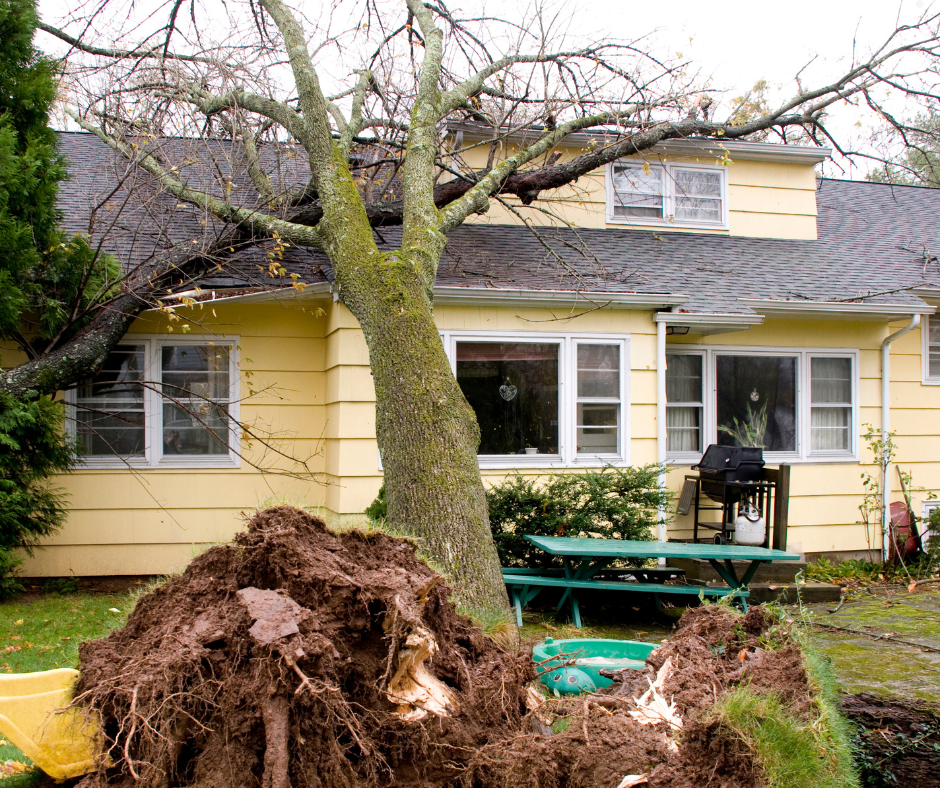
If your storm damage may involve an insurance claim, our Insurance Experts can help you navigate the process and document your property’s damage from start to finish.
What to Do After a Storm: Inspect Your Property from the Ground
Once you’re confident your property is safe to approach, the next step in what to do after a storm is completing a thorough exterior inspection from ground level. A careful walkthrough allows you to identify visible damage while avoiding unnecessary risks.
Move slowly around your home and examine each elevation from multiple angles. Sometimes damage is only visible from one side of the property or under different lighting conditions.
Check Your Roof for Visible Damage
Your roof is often the first part of your home to absorb the force of severe weather. Although a full inspection should be left to professionals, homeowners can often identify obvious warning signs from the ground.
Watch for:
- Missing shingles
- Lifted or curled shingles
- Exposed underlayment
- Ridge cap damage
- Fallen tree limbs
- Debris resting on the roof
- Visible sagging
- Pieces of roofing material in your yard
Even if only one or two shingles appear to be missing, additional damage may exist beneath the surrounding roofing materials. Wind frequently loosens shingles without removing them entirely, allowing water to enter during future storms.
Inspect Your Gutters and Downspouts
Your gutters play a vital role in protecting your home’s foundation by directing rainwater away from the structure.
After severe weather, inspect your gutters for:
- Loose fasteners
- Detached sections
- Bent metal
- Cracks
- Clogs caused by leaves and branches
- Overflowing debris
- Separated downspouts
Heavy branches and ice can easily pull gutters away from the fascia, while hail may dent metal systems and reduce their effectiveness.
Water that cannot properly drain away from your home may eventually contribute to basement moisture, foundation issues, or erosion around the property.
Examine Your Siding, Windows, and Doors
Roof damage often receives the most attention after storms, but many other exterior components can also suffer significant damage.
Walk around your home looking for:
- Cracked siding
- Loose vinyl panels
- Dented metal siding
- Broken window glass
- Torn window screens
- Damaged trim
- Water stains around windows
- Gaps around doors
High winds can force water behind siding and trim even when no obvious exterior damage is visible. Identifying these issues early helps reduce the likelihood of long-term moisture problems.
Look for Fallen Trees and Debris
Trees should receive special attention following major storms.
Inspect your property for:
- Hanging limbs
- Split trunks
- Leaning trees
- Broken branches resting on structures
- Debris blocking drainage paths
Never attempt to remove large limbs resting on your roof or tangled in utility lines yourself. These situations often require specialized equipment and trained professionals.
Completing a careful ground-level inspection is one of the most valuable steps in understanding what to do after a storm, helping you identify visible damage before it develops into larger problems.
What to Do After a Storm: Document Every Sign of Damage
Once you’ve completed your initial inspection, resist the urge to begin cleaning up immediately. One of the most overlooked parts of what to do after a storm is properly documenting every damaged area before anything is moved or repaired.
Good documentation creates a clear record of your property’s condition immediately after the storm. This information may prove valuable throughout the repair and insurance process.
Take Photos Before Cleaning Up
Use your phone or camera to photograph every damaged area before removing debris or making temporary repairs.
Take photos of:
- Every side of your home
- Your roof from multiple angles
- Missing shingles
- Fallen branches
- Damaged gutters
- Broken windows
- Siding damage
- Fences
- Sheds
- Detached garages
- Outdoor equipment
- Landscaping damage
Capture both wide-angle images that show the overall area and close-up photos that clearly document specific damage.
Lighting can make a significant difference, so if possible, photograph questionable areas from several different angles.
Record Interior and Exterior Damage
Storm damage isn’t limited to the outside of your home.
Inspect the interior for:
- Ceiling stains
- Water dripping from light fixtures
- Wet insulation
- Damaged drywall
- Flooring damage
- Warped wood
- Wet carpeting
- Personal belongings affected by water
Recording interior damage immediately helps establish when the damage occurred and provides a timeline for future repairs.
Video walkthroughs can also be extremely useful. Slowly walk through both the interior and exterior while recording everything you observe. Narrating what you see can provide additional context that still photographs may not capture.
Keep Receipts and Important Records
As you begin protecting your property, save every receipt related to the storm.
These may include:
- Emergency supplies
- Temporary tarps
- Water removal equipment
- Fans
- Dehumidifiers
- Temporary lodging
- Cleanup materials
Create a dedicated folder—digital or physical—to organize photos, videos, receipts, estimates, inspection reports, and written notes.
The more organized your records are, the easier it becomes to document the full extent of the storm’s impact.
Proper documentation is one of the smartest investments of time when deciding what to do after a storm, and it often saves homeowners considerable frustration later in the recovery process.
What to Do After a Storm: Check for Hidden Water Damage
After you’ve completed your exterior inspection and documented any visible damage, the next step in what to do after a storm is checking your home for hidden water intrusion. Some of the most expensive storm-related repairs begin with leaks that are too small to notice right away. Water can travel through roofing materials, insulation, wall cavities, and ceilings before it finally becomes visible inside your home.
For that reason, don’t assume your home is free of damage simply because you don’t see an active leak immediately after the storm. Moisture often takes time to work its way through the structure, and problems may not become noticeable until the next rainfall or several days after the storm has passed.
Inspect Your Attic
If your attic is safe to access, it should be one of the first interior areas you inspect.
Bring a flashlight and carefully look for:
- Wet insulation
- Water stains on roof decking
- Damp rafters or trusses
- Active dripping
- Daylight coming through the roof
- Mold or mildew beginning to develop
Pay particular attention to areas around roof penetrations such as plumbing vents, attic vents, skylights, and chimneys. These locations are often the first places where storm damage allows water to enter the home.
Look for Ceiling and Wall Stains
Continue your inspection throughout the living areas of your home.
Watch for:
- Brown or yellow ceiling stains
- Bubbling drywall
- Peeling paint
- Soft drywall
- Sagging ceilings
- Wet trim
- Damp flooring
Remember that water rarely drips straight down. Moisture can travel several feet before becoming visible, meaning the stain inside your home may not be directly below the damaged section of the roof.
Check Basements and Crawl Spaces
Heavy rainfall can also affect the lowest portions of your home.
Inspect your basement or crawl space for:
- Standing water
- Damp concrete
- Water along foundation walls
- Wet insulation
- Increased humidity
- Musty odors
Poor drainage around the foundation or overflowing gutters can contribute to moisture problems even if your roof remains intact.
Watch for Signs of Mold Growth
Even a small amount of trapped moisture can eventually create ideal conditions for mold.
Signs to watch for include:
- Musty odors
- Dark spots on drywall
- Discoloration around trim
- Peeling paint
- Persistent dampness
The sooner moisture is discovered, the easier it typically is to address. Knowing what to do after a storm includes identifying hidden water damage before it has an opportunity to affect your home’s structural components or indoor air quality.
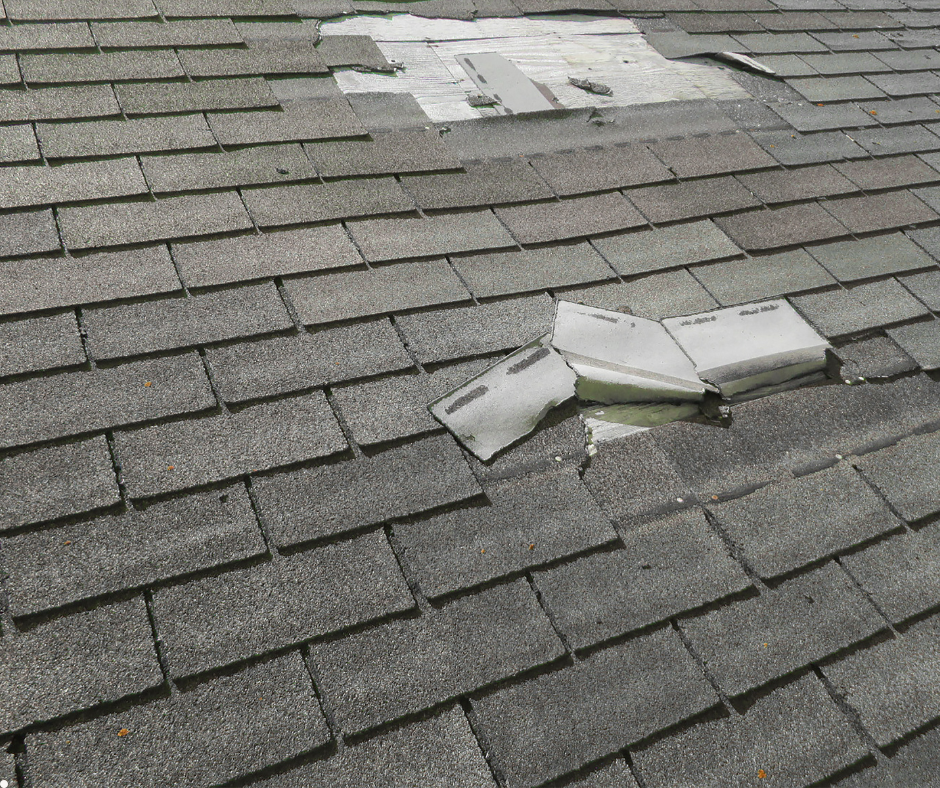
If your home has an active leak or exposed roofing after severe weather, our Emergency Roofing Services can provide fast temporary protection to help prevent additional damage.
What to Do After a Storm: Prevent Additional Damage
One of the most important responsibilities homeowners have after severe weather is preventing additional damage from occurring. Once you’ve safely inspected your property and documented everything you can see, taking reasonable steps to protect your home may help minimize further deterioration while permanent repairs are being planned.
Protect Your Home from Further Water Intrusion
If your roof has been damaged and water is entering your home, temporary protection may be necessary.
Depending on the situation, this may include:
- Covering exposed areas to reduce additional water intrusion
- Placing buckets beneath active leaks
- Moving furniture and valuables away from affected areas
- Removing wet rugs and fabrics
- Increasing ventilation to help dry damp areas
- Using fans or dehumidifiers where appropriate
The goal is not to permanently repair the damage yourself but rather to reduce additional water exposure until repairs can be completed.
Safely Remove Debris
Loose branches, leaves, and other debris should only be removed if it can be done safely from the ground.
Avoid climbing ladders or walking on storm-damaged roofs to remove debris. What appears to be a small branch may actually be supporting damaged roofing materials or concealing structural issues beneath it.
If large trees or heavy limbs are resting on your home, they should be handled by qualified professionals with the proper equipment.
Avoid Repairs That Could Make Things Worse
Many homeowners understandably want to fix problems immediately after a storm. However, attempting repairs without understanding the full extent of the damage can sometimes create additional complications.
Improper repairs may:
- Trap moisture inside the roofing system
- Hide developing leaks
- Create safety hazards
- Make future repairs more difficult
When deciding what to do after a storm, focus first on protecting your home from additional damage rather than rushing into permanent repairs.
What to Do After a Storm: Contact Your Insurance Company
If your inspection reveals damage, contacting your insurance company should be one of your next steps.
Every policy is different, but reporting storm damage promptly helps begin the claims process while the event is still recent and well documented.
Gather the Information You’ll Need
Before making your call, organize the information you’ve collected.
Helpful items include:
- Your insurance policy number
- Photos of the damage
- Video documentation
- Notes from your inspection
- The date of the storm
- A description of the damage you’ve observed
Having this information readily available can make your initial conversation more productive.
Understand the Claims Process
Ask your insurance representative about:
- Your claim number
- The next steps in the process
- Whether an adjuster will inspect the property
- What additional documentation may be required
- Estimated timelines
Write down the names of everyone you speak with and keep notes from every phone call or email.
Keep Detailed Documentation
Throughout the claims process, continue saving:
- Estimates
- Receipts
- Temporary repair costs
- Inspection reports
- Email correspondence
- Claim updates
Staying organized can make the process significantly easier if questions arise later.
Understanding what to do after a storm also means understanding the importance of maintaining complete records throughout your property’s recovery.
What to Do After a Storm: Schedule a Professional Storm Damage Inspection
Although homeowners can identify many visible problems, some storm damage simply isn’t visible from the ground.
Scheduling a professional inspection is often one of the most valuable steps in what to do after a storm, especially after high winds or hail.
Why Some Damage Isn’t Visible
Storms frequently create subtle damage that may not immediately leak but can shorten the lifespan of your roofing system.
Examples include:
- Lifted shingles
- Creased shingles
- Loose ridge caps
- Damaged flashing
- Nail pops
- Wind uplift
- Damaged pipe boots
- Compromised roof vents
These conditions often worsen over time as additional storms expose weakened areas.
Common Hidden Roofing Problems
Some of the most frequently overlooked issues include:
- Flashing that has pulled away from chimneys
- Small punctures caused by flying debris
- Damaged sealant around roof penetrations
- Hail bruising that weakens asphalt shingles
- Loose fasteners
- Bent drip edge
- Minor decking movement beneath the shingles
Because these problems are difficult to identify from the ground, many homeowners don’t realize damage exists until an interior leak develops.
Why Early Inspections Can Save Money
Small problems are generally easier to address before moisture enters the home.
Identifying storm damage early may help reduce:
- Interior water damage
- Mold growth
- Wood rot
- Insulation replacement
- Drywall repairs
- Structural deterioration
For many homeowners, scheduling an inspection provides peace of mind after severe weather, even if no obvious damage is immediately visible.
What to Do After a Storm: Storm Damage Homeowners Commonly Miss
One of the biggest reasons homeowners should understand what to do after a storm is because many forms of storm damage are surprisingly difficult to identify without experience.
Commonly overlooked issues include:
Wind Damage
Strong winds can loosen shingles without removing them completely. Over time, these weakened shingles become increasingly vulnerable to future storms.
Hail Damage
Hail impacts may bruise asphalt shingles, reducing their protective surface even when there are no visible holes.
Flashing Damage
Metal flashing around chimneys, walls, skylights, and roof penetrations can bend or separate, allowing water to enter the home.
Gutter and Drainage Problems
Loose fasteners, detached downspouts, and clogged gutters can contribute to foundation moisture and water intrusion long after the storm has passed.
Taking the time to inspect for these smaller issues is another important part of understanding what to do after a storm.
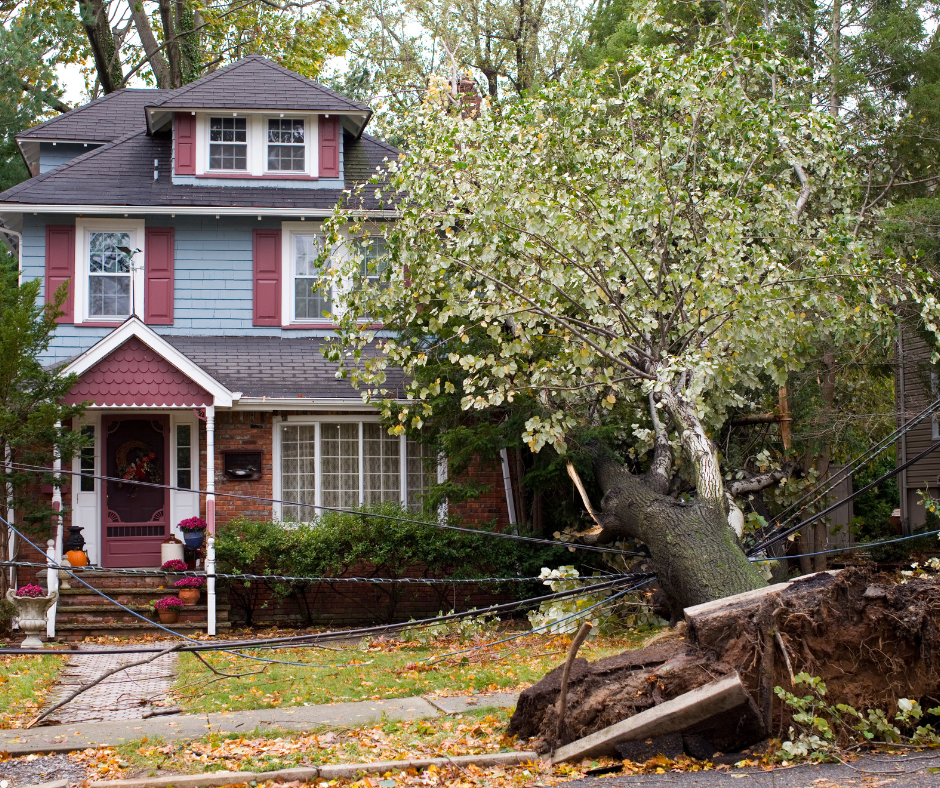
If your roof has been damaged by wind, hail, or falling debris, our Roof Restoration services can help restore your roof’s performance and extend its lifespan.
Frequently Asked Questions About What to Do After a Storm
Should I climb onto my roof after a storm?
No. Roofs can become slippery and structurally unstable after severe weather. Begin with a ground-level inspection and leave roof access to trained professionals.
How soon should I inspect my home?
As soon as conditions are completely safe. Early inspections help identify damage before additional weather causes further deterioration.
What should I photograph?
Photograph every damaged area, including your roof, gutters, siding, windows, ceilings, attic, landscaping, and any damaged personal belongings.
What if I don’t see any damage?
Not all storm damage is immediately visible. Some issues may not appear until the next rainfall or may only be discovered during a professional inspection.
How long do I have to file an insurance claim?
Claim deadlines vary depending on your insurance policy and location. Contact your insurance provider promptly to understand the requirements that apply to your situation.
Can storm damage become worse over time?
Yes. Minor roofing damage, flashing issues, and hidden leaks often become larger and more expensive repairs if they remain unaddressed.
Should I remove fallen tree limbs myself?
Small debris may be removed safely from the ground, but large limbs resting on your roof or tangled in power lines should always be handled by qualified professionals.
Is a professional inspection worthwhile if everything looks fine?
Many forms of wind and hail damage cannot be seen from the ground. A professional inspection can help identify hidden issues before they develop into more significant problems.
What to Do After a Storm: Protect Your Home for the Future
Knowing what to do after a storm allows homeowners to respond quickly, safely, and confidently when severe weather strikes. By prioritizing safety, inspecting your property from the ground, documenting every sign of damage, checking for hidden moisture, preventing additional damage, and understanding the insurance process, you’ll be in a much stronger position to protect your home and your investment.
Storm damage isn’t always obvious, and some of the most expensive repairs begin with small problems that initially go unnoticed. Taking a careful, methodical approach after severe weather can help you identify issues early, simplify the recovery process, and reduce the likelihood of long-term damage.
Every storm is different, but having a plan before the next one arrives can make all the difference. By following the guidance in this article, you’ll know exactly what to do after a storm and be better prepared to protect your home, your family, and your peace of mind whenever severe weather occurs.